
What Is a Cuticle and Why Cuticle Care Matters More Than Most People Realize
You have probably had a nail technician push back or trim your cuticles at some point and maybe you have done it yourself at home with a cuticle pusher or clipper without really knowing what you were working with or why it mattered. Most people treat cuticle care as a cosmetic step that makes the nail look cleaner and nothing more. The function of the cuticle, what it is actually protecting, and why how it is treated has real implications for nail health is something almost nobody explains clearly.
Here is the thing. The cuticle is not just a cosmetic nuisance that needs to be pushed out of the way before polish goes on. It is a functional part of your nail anatomy that protects the nail matrix, which is the tissue responsible for generating new nail growth, from bacteria, moisture, and environmental damage. At Lemon Drop Nail Bar in Forney TX cuticle care is treated as a health step rather than just an aesthetic one and this post explains why that distinction matters for your nails in a way that most nail care content never gets around to.
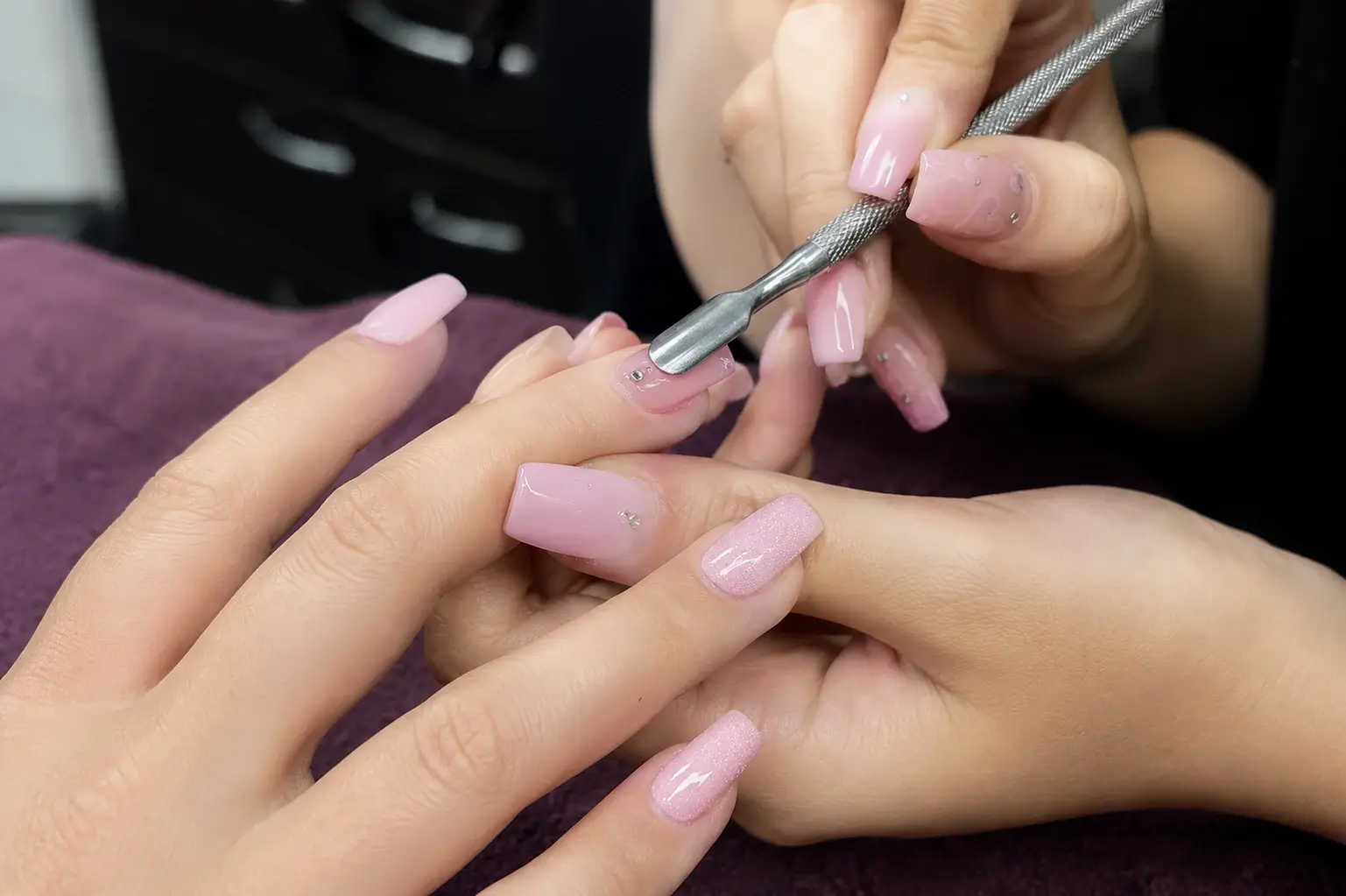
What Is a Cuticle and What Does It Actually Do for Your Nail Health?
A cuticle in the most commonly understood sense refers to the thin layer of skin that sits at the base of the nail and overlaps slightly onto the nail plate. But the accurate anatomy involves two distinct structures that most people and many nail care articles conflate into one.
The eponychium is the living skin at the base of the nail that forms a continuous barrier between the external environment and the nail matrix underneath. This living tissue is part of your body and it contains nerves, blood supply, and an active protective function. The cuticle in the strict anatomical sense is the dead tissue layer that the eponychium produces and deposits onto the nail plate as the nail grows forward. This dead tissue is essentially shed skin that has been pushed outward from the living nail fold by new nail growth.
Understanding this distinction matters because it changes how the two structures should be treated during a nail appointment. The dead cuticle layer that sits on the nail plate surface can be safely removed or softened because it is no longer living tissue. The eponychium, the living skin behind it, should never be cut because cutting living skin creates an open pathway for bacteria and fungal organisms to reach the nail matrix directly.
In our experience this is one of the most consequential distinctions in nail care that most clients never hear clearly explained. When a nail appointment results in swollen, tender, or infected cuticle areas it is almost always because living tissue was cut aggressively rather than because the dead cuticle layer was properly removed. For clients across the Forney TX and Kaufman County area who use their hands constantly in a climate that creates frequent small skin compromises, this distinction between living and dead cuticle tissue is particularly worth understanding.
Should You Cut Your Cuticles at the Nail Salon and What Does Proper Cuticle Care Actually Look Like
This is the question that generates the most debate in nail care content and it deserves a direct and honest answer rather than a vague it depends. Should you cut cuticles at the nail salon as part of your regular manicure? The accurate answer is that the dead cuticle layer can be safely removed but the living eponychium tissue should not be cut.
The confusion comes from the fact that both structures are often referred to simply as the cuticle in everyday conversation and in most salon settings. When a skilled technician trims your cuticles they are ideally removing only the dead tissue that has detached from the nail fold and adhered to the nail plate surface rather than cutting into the living skin. When this is done correctly with the appropriate softening step first the nail looks clean, the nail plate surface is properly prepared for any product application, and the living skin remains intact.
Where cuticle cutting causes problems is when it becomes habitual aggressive removal that consistently trims into the living tissue. This repeated small trauma to the living skin creates chronically rough, thickened cuticle edges as the skin responds by producing more protective tissue. It also creates repeated micro-openings that invite infection and lead to the painful, swollen cuticle areas that clients sometimes experience after overly aggressive appointments.
At Lemon Drop Nail Bar cuticle work during every manicure appointment begins with proper softening before any pushing or trimming occurs. Softening allows the dead cuticle layer to separate more cleanly from the nail plate surface without requiring the aggressive manipulation that damages living tissue. That step makes the entire process gentler, safer, and more effective in a single step.
How to Care for Your Cuticles Between Appointments and Why Cuticle Oil Is the Most Important Part?
Once you understand what cuticles are and what they protect the practical home care conversation becomes much more meaningful than just apply cuticle oil because someone told you to.
The most significant cuticle care tips that actually change nail health outcomes over time are centered on hydration and avoiding the habits that remove the natural moisture barrier the cuticle provides. The cuticle area, including the living eponychium tissue and the surrounding skin, dries out more quickly than most other skin on the body because it is thinner, more exposed to environmental factors, and frequently in contact with water and cleaning products that strip surface moisture.
Cuticle oil benefits are most significant when the oil is applied consistently to the surrounding skin and cuticle area rather than sporadically. The oil does not penetrate deeply into the nail plate itself but it maintains the flexibility and health of the living tissue surrounding the nail which keeps the protective seal intact and reduces the cracking, peeling, and ragged cuticle edges that develop when the tissue becomes too dry. For clients in the Forney TX area dealing with hands that cycle between outdoor Texas heat and dry air conditioning all day the frequency of cuticle oil application matters more than the specific product used.
Avoiding the habit of picking or tearing at cuticle edges is equally important. Picked cuticles remove the protective tissue layer faster than it can regenerate and create the same infection pathway as aggressive cutting does. Our collagen manicure service at Lemon Drop Nail Bar is specifically designed to deeply nourish the skin around the nail including the cuticle area and clients with chronically dry or rough cuticle edges often find that a consistent collagen manicure routine produces noticeable improvement in the condition of their cuticle skin between appointments.
How Lemon Drop Nail Bar Approaches Cuticle Care at Every Appointment?
At Lemon Drop Nail Bar cuticle care is one of the steps we take most seriously because we know it has real implications for nail health beyond how the finished manicure looks. Cuticle softener is always applied and given appropriate time to work before any pushing or trimming begins. This step takes only a few minutes but it changes the quality and safety of everything that follows by allowing the dead tissue to separate more cleanly without forcing the tool into living skin.
We also use properly sterilized tools for every cuticle procedure at every appointment. This is not something we mention casually. Tools that contact the cuticle area touch skin that has a direct pathway to the nail matrix and sterilized tools are the only appropriate option regardless of how the timing of the appointment looks. Customers often tell us that their cuticle area looks and feels better after consistent appointments at Lemon Drop Nail Bar than it ever did when they were having cuticle work done elsewhere and the combination of proper softening, conservative technique, and sterile tools is what produces that consistent improvement.
Cuticle Health for Clients Across Forney TX and the Surrounding Area
Clients come to us from Windmill Farms, Terrell, Balch Springs, and all across the east DFW Metroplex and one of the most common nail concerns they mention is the condition of their cuticles. Dry, rough, cracked, or persistently thick cuticle edges are almost universally a result of dehydration combined with previous aggressive treatment rather than an unavoidable genetic feature. The Texas climate accelerates dehydration in the skin surrounding the nail faster than many clients realize and addressing it consistently through proper nail appointments and daily home care produces meaningful visible improvement over time.
Our location at 476 FM 548 Suite 130, Forney TX 75126 is ready to help clients from across Kaufman County build a nail care routine that includes proper cuticle management. Whether you are booking a standard manicure service at Lemon Drop Nail Bar or exploring our collagen manicure for deeper skin nourishment, your cuticle health is something our team takes as seriously as the polish on top.
Frequently Asked Questions
What is a cuticle and is it the same as the skin around the nail?
The cuticle is the dead tissue deposited onto the nail plate by the living skin fold called the eponychium. Both are often called cuticle but they are different structures requiring different handling.
Should you cut cuticles at the nail salon at Lemon Drop Nail Bar?
The dead cuticle layer on the nail plate can be safely removed. The living skin behind it should never be cut as doing so creates infection risk and leads to thicker cuticle regrowth over time.
How often should I use cuticle oil for the best results at Lemon Drop Nail Bar?
Daily application to the surrounding skin produces the most consistent improvement. Frequency matters more than product quality for maintaining hydrated healthy cuticle tissue between appointments.
Why are my cuticles always dry and rough despite regular nail appointments in Forney TX?
Dry rough cuticles usually indicate dehydration combined with previous aggressive cutting. Texas climate conditions accelerate this. Our collagen manicure treatment at Lemon Drop Nail Bar specifically addresses this concern.
Is it bad to push back cuticles at home between appointments at Lemon Drop Nail Bar?
Gentle pushing after a shower when skin is soft is generally fine. Aggressive pushing or cutting at home without proper softening and the right tools risks the same damage as poor professional technique.
Ready to Book at Lemon Drop Nail Bar in Forney TX
You now understand what a cuticle actually is, why it matters for nail health, and what proper care looks like both at the salon and at home. When you are ready to experience cuticle care done the right way our team at Lemon Drop Nail Bar is ready to show you the difference it makes.
Call us at (469) 720-4088 or visit us at 476 FM 548 Suite 130 Forney TX 75126. We look forward to welcoming you.
All Services
Book Your Appointment
Treat your nails to perfection. Book your appointment today!